
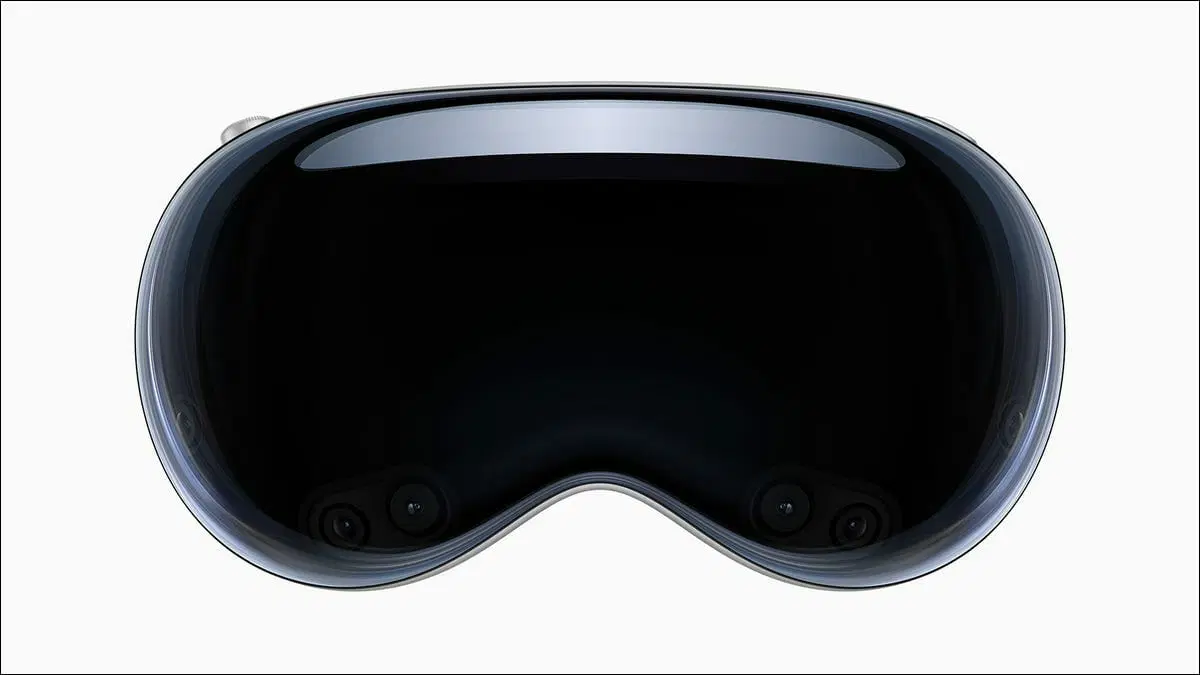
The company’s latest earnings call highlighted strong but niche adoption in enterprise environments, particularly in design, healthcare visualization, and remote collaboration. However, Apple executives acknowledged that mainstream consumer traction remains dependent on price accessibility and compelling daily use cases.
This acknowledgment has driven Apple’s dual-track approach. On one hand, it continues refining the high-end Vision Pro experience with improved displays and processing powered by its latest silicon. On the other, it is reportedly preparing a more affordable variant, internally positioned to compete with premium tablets rather than luxury computing devices.
This pricing recalibration is critical. Competitors like Meta and Samsung have struggled to balance cost and performance in mixed reality hardware. Apple’s advantage lies in its ability to subsidize hardware margins through services and ecosystem lock-in.
The integration of Vision Pro with existing Apple services has deepened significantly in 2026. iCloud, Apple TV+, and App Store spatial apps now form a cohesive experience that extends beyond novelty. Developers are increasingly optimizing applications for spatial interfaces, particularly in productivity and media consumption.
This shift mirrors Apple’s broader playbook. The company is not merely selling a headset; it is extending its digital platform into a new interface paradigm. By doing so, Apple ensures recurring revenue streams while reinforcing user dependency on its ecosystem.
Supply chain adjustments also reveal strategic intent. Reports from Apple’s manufacturing partners indicate increased production capacity in Vietnam and India, reducing reliance on China while preparing for higher volume shipments. This diversification aligns with broader geopolitical trends affecting global tech manufacturing.
Retail expansion is another pillar of Apple Vision Pro market strategy. Apple has introduced dedicated in-store demo zones across North America, Europe, and parts of Asia. These experiential spaces are designed to overcome one of the biggest barriers to adoption: consumer hesitation due to unfamiliarity.
Meanwhile, competition is intensifying. Meta continues to push its Quest lineup with aggressive pricing, targeting mass-market consumers. Samsung, in partnership with Google, is preparing its own mixed reality platform leveraging Android XR capabilities. While these competitors emphasize affordability and openness, Apple remains focused on premium integration and user experience.
Financially, Vision Pro remains a small but strategically important segment within Apple’s broader revenue mix. Analysts estimate that spatial computing could contribute significantly to services revenue growth by 2028, particularly as app ecosystems mature.
Regulatory scrutiny is also emerging. European regulators are examining Apple’s control over spatial app distribution, echoing previous concerns around App Store policies. This could influence how Apple structures developer access and revenue sharing in the future.
Another critical factor is content. Apple has invested heavily in immersive media partnerships, including sports broadcasting and entertainment experiences. These initiatives aim to create “must-have” content that drives hardware adoption, similar to how streaming services fueled smart TV growth.
The enterprise segment continues to be a stronghold. Companies in architecture, engineering, and medical training are integrating Vision Pro into workflows, citing improved visualization and collaboration capabilities. Apple’s enterprise sales teams have expanded outreach, offering customized deployment solutions.
From a market perspective, Apple Vision Pro market strategy is reshaping expectations for hardware margins. While most consumer electronics face price erosion over time, Apple is attempting to maintain premium positioning while gradually introducing accessibility.
This balancing act is not without risks. If lower-cost competitors deliver comparable experiences, Apple could face pressure to accelerate price reductions. Conversely, if Apple successfully differentiates through ecosystem depth, it may sustain its pricing advantage.
Looking ahead, the roadmap suggests further miniaturization and integration. Industry insiders expect Apple to explore lightweight AR glasses as a longer-term evolution of the Vision Pro platform. Such a transition would mark a significant shift toward everyday wearable computing.
Investor sentiment reflects cautious optimism. While Vision Pro has not yet reached iPhone-level impact, it is increasingly viewed as a long-term growth driver. Apple’s ability to iterate hardware while expanding services will be key to unlocking this potential.
Apple Vision Pro market strategy ultimately represents a broader shift in how tech companies approach new categories. Rather than chasing immediate mass adoption, Apple is building a layered ecosystem that can scale over time.
For consumers, this means gradual improvements in usability and affordability. For developers, it creates new opportunities but also new dependencies on Apple’s platform rules. For competitors, it raises the bar for integration and user experience.
As 2026 progresses, the success of this strategy will depend on execution. Apple must deliver compelling updates, manage pricing expectations, and navigate regulatory challenges while maintaining its brand positioning.
Read more on TechChora.com about how spatial computing is influencing broader hardware trends and reshaping the competitive landscape in consumer technology.
The next phase of spatial computing will not be defined by a single product launch but by sustained ecosystem development. Apple appears committed to leading that evolution, even if it takes years to fully materialize.


