
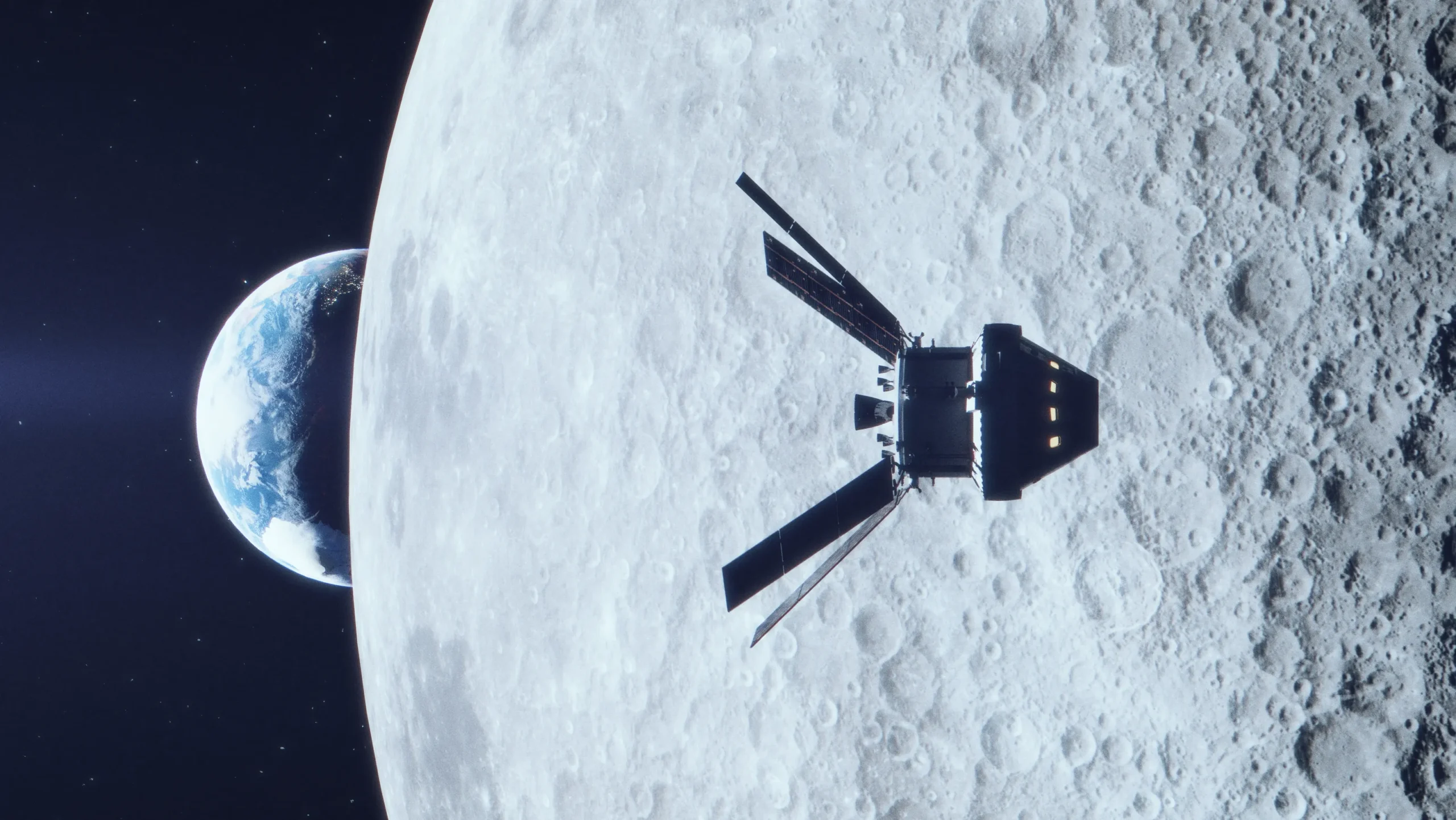
The Artemis Moon mission has entered a pivotal phase in 2026, with NASA pushing toward its first crewed lunar return in decades. This Artemis Moon mission update reflects years of planning, testing, and international coordination.
Unlike the Apollo era, Artemis is designed for sustainability. The goal is not just to land astronauts, but to establish a long-term presence. Therefore, each Artemis Moon mission milestone carries broader implications for infrastructure and exploration.
Central to the program is the Space Launch System, a heavy-lift rocket developed to carry crew and cargo beyond Earth orbit. Meanwhile, the Orion spacecraft serves as the crew vehicle. Together, they form the backbone of the Artemis Moon mission architecture.
Recent testing has focused on life support systems and deep-space navigation. These elements are critical for missions that extend beyond low Earth orbit. As a result, engineers are refining systems to ensure reliability over longer durations.
International collaboration plays a major role. The European Space Agency contributes service modules for Orion, while other partners support lunar infrastructure. This cooperative approach distinguishes Artemis from earlier programs.
Meanwhile, the Lunar Gateway space station is under development. Positioned in lunar orbit, it will serve as a staging point for surface missions. In addition, it enables continuous research and logistical support.
Private companies are also deeply involved. SpaceX and Blue Origin are developing lunar lander systems. This integration of commercial partners accelerates innovation while distributing risk.
The Artemis Moon mission also emphasizes scientific discovery. Lunar exploration offers insights into planetary formation and solar system history. Furthermore, the Moon serves as a testing ground for technologies needed for Mars missions.
However, challenges persist. Budget constraints and technical hurdles can affect timelines. Nevertheless, steady progress suggests that the Artemis Moon mission remains on track for key milestones.
Geopolitically, the mission has strategic significance. Nations view lunar presence as an extension of technological leadership. Therefore, Artemis is not just a scientific endeavor, but also a symbol of global influence.
China’s parallel efforts through the China National Space Administration highlight this competition. Plans for a lunar research station underscore the growing importance of the Moon in international space policy.
Meanwhile, advancements in robotics and automation support Artemis objectives. Autonomous systems will assist with construction and exploration on the lunar surface. As a result, human missions become more efficient and safer.
Economic opportunities are emerging as well. Resource extraction, particularly water ice, could support fuel production and life support systems. This capability is essential for sustained lunar operations.
For TechChora.com readers, earlier coverage of lunar technology and space habitats provides useful background. These topics connect directly to the goals of the Artemis Moon mission.
Public engagement is another critical factor. Artemis aims to inspire a new generation of scientists and engineers. Educational initiatives and global outreach reinforce this objective.
Meanwhile, testing continues across multiple fronts. From propulsion systems to habitat modules, each component undergoes rigorous validation. This comprehensive approach reduces risk and improves mission readiness.
The Artemis Moon mission also integrates lessons from past programs. Data from Apollo and the International Space Station informs current design choices. Therefore, Artemis represents both continuity and innovation.
Looking forward, the transition from initial missions to sustained presence will define success. Establishing infrastructure on the Moon requires coordination across governments, companies, and research institutions.
Economic opportunities are emerging as well. Resource extraction, particularly water ice, could support fuel production and life support systems. This capability is essential for sustained lunar operations.
For TechChora.com readers, earlier coverage of lunar technology and space habitats provides useful background. These topics connect directly to the goals of the Artemis Moon mission.
Public engagement is another critical factor. Artemis aims to inspire a new generation of scientists and engineers. Educational initiatives and global outreach reinforce this objective.
Meanwhile, testing continues across multiple fronts. From propulsion systems to habitat modules, each component undergoes rigorous validation. This comprehensive approach reduces risk and improves mission readiness.
The Artemis Moon mission also integrates lessons from past programs. Data from Apollo and the International Space Station informs current design choices. Therefore, Artemis represents both continuity and innovation.
Looking forward, the transition from initial missions to sustained presence will define success. Establishing infrastructure on the Moon requires coordination across governments, companies, and research institutions.


