
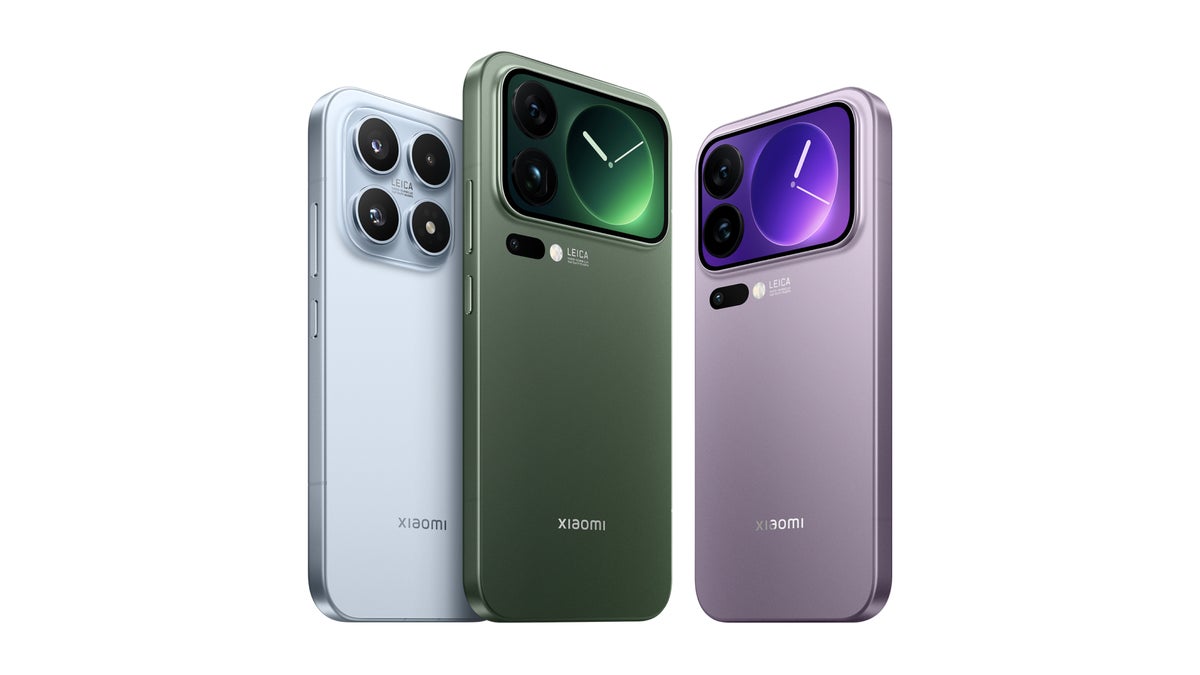
The Xiaomi smartphone launch in 2026 is emerging as one of the most strategically significant product cycles in the global smartphone industry this year. The company has historically built its reputation on aggressive pricing and high-value hardware. However, the 2026 launch signals a shift toward premium positioning and ecosystem integration.
The global smartphone market has matured significantly, and therefore, growth is no longer driven purely by volume. Instead, profitability, ecosystem lock-in, and service integration have become dominant forces. In this environment, the Xiaomi smartphone launch in 2026 reflects a calculated effort to move beyond hardware competition and toward long-term platform value creation.
Xiaomi’s leadership has reportedly focused on refining its premium smartphone tier, and consequently, the Xiaomi smartphone launch 2026 introduces devices that emphasize advanced imaging systems, deeper AI-assisted optimization at the system level, and tighter integration with IoT products. However, unlike earlier positioning, the focus is no longer only on specifications but also on ecosystem continuity across devices.
The Xiaomi smartphone launch in 2026 also connects closely to the company’s broader ecosystem strategy, which includes wearables, smart home devices, and automotive ambitions. As a result, the smartphone is increasingly becoming the central control hub of Xiaomi’s connected ecosystem rather than a standalone product category.
Meanwhile, competitive pressure has intensified across global Android manufacturers. Samsung continues to dominate premium Android segments, while Apple maintains its leadership in profitability and ecosystem cohesion. Therefore, the Xiaomi smartphone launch 2026 is not just about competing on hardware but about redefining Xiaomi’s place in the global hierarchy of device ecosystems.
In addition, supply chain dynamics are shaping how the Xiaomi smartphone launch 2026 is structured. Component sourcing strategies, particularly in advanced chipsets and display technologies, have become more complex due to geopolitical fragmentation in semiconductor manufacturing. Consequently, Xiaomi has been increasingly aligning with diversified suppliers to reduce dependency risks.
The Xiaomi smartphone launch 2026 also reflects broader shifts in consumer demand. For example, users are now prioritizing long-term software support, cross-device integration, and service continuity over incremental hardware upgrades. Therefore, Xiaomi’s updated software strategy, including extended update cycles, plays a critical role in supporting this launch cycle.
From a financial perspective, the Xiaomi smartphone launch in 2026 is expected to significantly influence the company’s margin profile. Premium devices typically generate higher profitability. As a result, Xiaomi’s shift toward high-end smartphones aims to improve overall revenue quality. However, this also introduces risk, as competition in the premium segment is far more intense.
Moreover, investor sentiment around the Xiaomi smartphone launch in 2026 reflects broader macroeconomic pressures on global consumer electronics demand. Inflation and shifting purchasing power in key regions such as Europe and parts of Asia are slowing smartphone replacement cycles.
The Xiaomi smartphone launch 2026 also highlights the increasing role of software ecosystems in determining smartphone success. While hardware innovation remains important, companies increasingly achieve differentiation through integrated services, app ecosystems, and device interoperability. Consequently, Xiaomi has been expanding its HyperOS ecosystem to strengthen cross-device connectivity.
In competitive terms, the Xiaomi smartphone launch in 2026 puts the company in direct competition with Samsung’s Galaxy lineup and Apple’s iPhone ecosystem. However, unlike Apple, Xiaomi operates within the Android ecosystem, which introduces both flexibility and fragmentation challenges.
Meanwhile, industry analysts have noted that the Xiaomi smartphone launch 2026 could accelerate consolidation in the mid-premium Android segment. As a result, smaller smartphone brands may face increasing pressure due to scale disadvantages and limited ecosystem depth.
Regulatory factors are also relevant to the Xiaomi smartphone launch 2026. Data privacy regulations across Europe and Asia have influenced how smartphone operating systems handle user data. Therefore, Xiaomi has reportedly designed its software architecture in this launch cycle with stronger compliance frameworks in mind.
Furthermore, the Xiaomi smartphone launch in 2026 is expected to shape the company’s position in emerging markets. While Xiaomi has traditionally been strong in price-sensitive regions, the premium push may redefine its brand perception in markets such as India, Southeast Asia, and parts of Latin America.
The Xiaomi smartphone launch 2026 also reflects broader industry convergence trends. Smartphones are no longer isolated devices but are increasingly integrated into broader digital ecosystems that include cloud services, AI assistants, and smart infrastructure.
For example, Xiaomi is expanding into smart mobility and connected home ecosystems. As a result, the 2026 smartphone launch plays a central role in controlling and synchronizing these environments. Therefore, the device becomes more than a communication tool—it becomes an ecosystem gateway.
As the industry evolves, the Xiaomi smartphone launch in 2026 shows how Android manufacturers are reducing their reliance on commoditized hardware revenue. Instead, companies are focusing on recurring service revenue and ecosystem engagement.
In addition, supply chain innovation is playing a crucial role. The Xiaomi smartphone launch 2026 incorporates next-generation chipsets that improve power efficiency and computational photography. However, these advancements also increase production complexity and cost structures.
From a strategic standpoint, Xiaomi appears to be balancing two conflicting priorities: maintaining affordability in emerging markets while expanding premium penetration in developed economies. Consequently, the Xiaomi smartphone launch 2026 reflects a dual-market strategy rather than a singular global positioning.
The competitive landscape suggests that the Xiaomi smartphone launch 2026 will likely trigger responses from other Android manufacturers. For example, Samsung may accelerate its mid-premium innovation cycle, while other Chinese OEMs such as Oppo and Vivo may adjust their flagship strategies.
Read more on TechChora.com about global Android competition trends and ecosystem expansion strategies shaping the smartphone industry.
Looking ahead, the Xiaomi smartphone launch in 2026 could mark a defining moment in Xiaomi’s shift from a value-focused brand to a diversified technology ecosystem company. However, execution will be critical, as premium markets demand consistency, brand trust, and long-term software support.
In conclusion, the Xiaomi smartphone launch 2026 represents more than a product release. It reflects a broader strategic shift in the smartphone industry. Ecosystems, services, and long-term value creation are becoming more important than hardware specifications alone.


