
Table of Contents
There’s a weak point in Nigeria’s digital banking system that fraudsters have relied on for years. It’s not always the bank account itself. It’s the phone number tied to it.
That’s now changing.
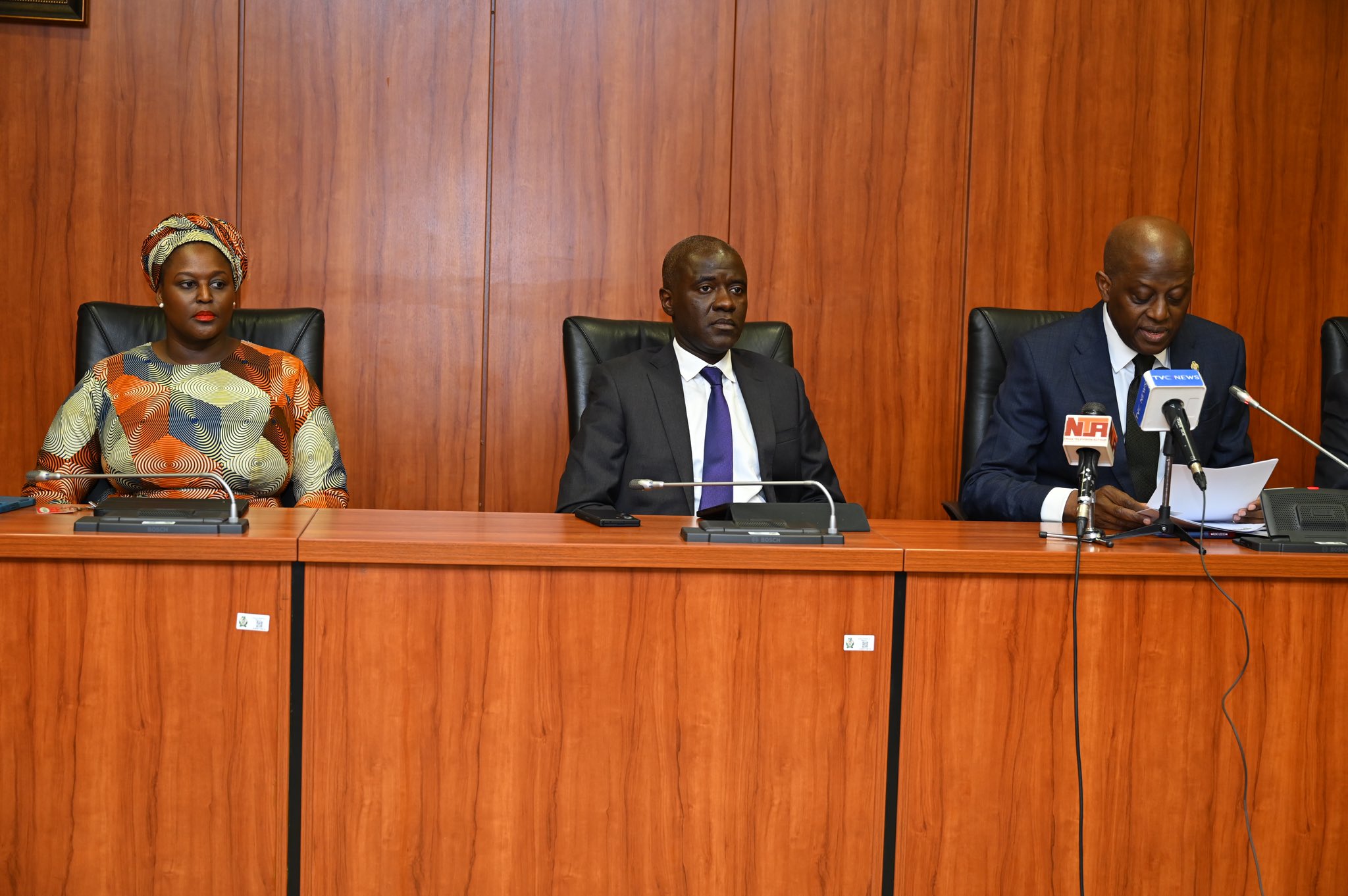
In a new agreement between the Central Bank of Nigeria and the Nigerian Communications Commission, banks will gain real-time access to telecom data, giving them a clearer view of the mobile identities behind transactions before money moves.
It’s a shift that goes straight to the core of how fraud happens.
CBN and NCC Partnership Introduces Telecom Identity Verification System in Nigeria
At the heart of the agreement is a new framework called the Telecom Identity Risk Management System.
The system allows banks to check the status of a mobile number in near real time. That includes whether the number has been recently swapped, recycled, flagged for suspicious activity, or has gone inactive.
For the first time, financial institutions can verify whether a mobile identity is stable before approving a transaction.
That may sound like a small technical detail. In practice, it closes a major gap.
Why Mobile Numbers Are Central to Fraud in Nigeria’s Digital Payments System
In Nigeria, mobile numbers have become more than contact points. They are part of the identity layer.
They are used for authentication, transaction alerts, and account recovery. In many cases, access to a phone number can mean access to a bank account.
That creates an opportunity.
Fraud schemes often begin with SIM swaps or recycled numbers. Once control shifts, attackers can intercept verification codes and reset account access before the original owner is aware.
Until now, banks have had limited visibility into those changes.
How Real-Time Telecom Data Will Help Banks Prevent Fraud
The new system changes that dynamic.
By integrating telecom data directly into transaction checks, banks can identify risky signals before a payment is completed. A recently swapped number, for example, could trigger additional verification steps or a temporary block.
This introduces a layer of friction, but it’s targeted friction.
Instead of slowing down all transactions, it focuses on those with higher risk indicators.
Rising Financial Fraud in Nigeria Drives Regulatory Action
The agreement comes at a time when financial fraud is evolving quickly.
Even as institutions deploy more advanced detection tools, losses have fluctuated sharply, reflecting how adaptive fraud schemes have become.
Many of these incidents trace back to weaknesses in telecom-linked identity systems.
By addressing that layer directly, regulators are shifting the focus from reactive detection to preventive control.
Beyond Fraud: Strengthening Nigeria’s Digital Payments Infrastructure
The collaboration between the two regulators goes beyond fraud prevention.
It also covers broader areas within the payments ecosystem, including instant payments, QR-based transactions, and open banking standards.
The goal is to ensure that as digital financial services expand, the underlying infrastructure remains secure, interoperable, and scalable.
That kind of coordination hasn’t always been easy.
But it’s becoming increasingly necessary as the boundaries between telecoms and financial services continue to blur.
Consumer Protection and Faster Issue Resolution in Digital Transactions
Another part of the agreement focuses on consumer experience.
Issues like failed transactions or airtime purchase errors often sit at the intersection of telecom and banking systems, making them harder to resolve.
The new framework introduces mechanisms for faster resolution, along with coordinated public education efforts to help users better understand digital financial services.
It’s a reminder that security isn’t just about preventing fraud. It’s also about building trust in the system.
Joint Committees to Oversee Telecom and Banking Integration
To manage the collaboration, the agreement establishes two joint committees.
One will focus on payment systems and consumer protection. The other will oversee telecom identity risk management.
Their role is to ensure coordination, resolve operational challenges, and track how effectively the system is working over time.
That ongoing oversight matters. Systems like this need continuous adjustment as new risks emerge.
What This Means for the Future of Digital Banking in Nigeria
The integration of telecom data into financial systems marks a significant step in how Nigeria approaches digital security.
It acknowledges a reality that has been clear for some time. Financial identity is no longer confined to bank records alone. It’s distributed across multiple systems, and weaknesses in one can affect the entire chain.
By connecting those systems more closely, regulators are trying to reduce those gaps.
It won’t eliminate fraud entirely. Few measures ever do.
But it raises the barrier, making it harder for attackers to exploit the same vulnerabilities repeatedly.
And in a system where millions of transactions happen daily, even small improvements in security can have a meaningful impact.


