
Table of Contents
There’s a moment when payments stop feeling like a process and start feeling invisible. No waiting, no uncertainty, no “it should reflect soon.” Just money moving when you need it to.
Namibia is edging closer to that moment.
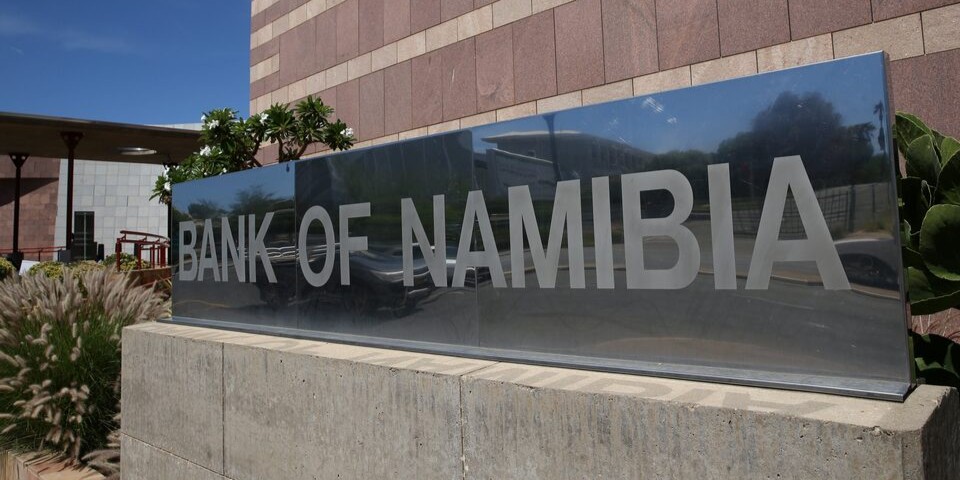
The Bank of Namibia has set June 2026 as the target for rolling out its national instant payment system, a platform designed to enable real-time transfers across banks and digital wallets. It’s part of a broader push to modernise the country’s financial infrastructure, but it also speaks to something more practical, how people actually move money in their daily lives.
Why Instant Payments Is Very Important in Namibia
On paper, Namibia already has a relatively high level of financial access. Around 78% of the population holds a bank account. That’s a strong foundation.
But access doesn’t always translate into usage.
Cash still plays a dominant role, especially in rural areas and among small businesses. Transactions can be slow, fees add up, and the gap between having an account and fully participating in the financial system remains noticeable.
That’s the gap instant payments are meant to close.
By allowing transfers to happen immediately, regardless of the time of day or the institutions involved, the system removes one of the most persistent frictions in banking. It makes digital transactions feel reliable in a way that encourages everyday use.
What the New Payment System Will Do
The upcoming platform is designed to operate around the clock, supporting real-time transfers between individuals, businesses, and government entities.
At launch, the focus will likely be on Government-to-Person payments, things like social grants, where speed and reliability matter most. From there, it will expand to person-to-person transfers and business payments, gradually becoming a core layer of the country’s payment ecosystem.
One detail that stands out is accessibility.
The system is being built to work with widely available devices, including mobile phones. That may sound obvious, but it’s critical. A payment system only works at scale if people can actually use it without needing specialised tools.
Progress So Far and What Comes Next
According to the central bank, the project has been moving steadily since its launch in 2024. Several participants have already completed system integration and user acceptance testing, which suggests the groundwork is largely in place.
There’s still a difference between readiness and real-world performance, of course. Systems that work in controlled environments don’t always behave the same way under national scale.
But the timeline signals confidence.
Setting a firm rollout date means the focus is shifting from building to deploying, and from planning to adoption.
Financial Inclusion Is the Bigger Goal
It’s easy to think of instant payments as a technical upgrade. Faster transfers, better infrastructure, smoother transactions.
But the underlying goal is broader.
Namibia’s Ministry of Finance has framed the initiative as part of a wider effort to reduce inequality and expand access to financial services. That connection matters because financial inclusion isn’t just about opening accounts. It’s about making those accounts useful in everyday life.
When transactions are faster and cheaper, more people are willing to rely on digital systems. Small businesses can operate more efficiently. Individuals can manage cash flow with less friction.
In that sense, the impact of instant payments goes beyond convenience. It shapes how money circulates in the economy.
Coordination Will Define Success
Building the system is one challenge. Making sure it works well across the entire financial ecosystem is another.
The Bank of Namibia has emphasised the need for coordination between regulators, financial institutions, and infrastructure providers. That alignment becomes even more important once the system goes live.
Adoption doesn’t happen automatically.
Banks need to integrate smoothly. Merchants need to trust the system. Consumers need to see clear benefits over existing methods. If any of those pieces lag, usage can stall, even if the technology itself is sound.
A Shift Toward Always-On Finance
What Namibia is building isn’t entirely new in a global sense. Several markets have already moved toward real-time payment systems that operate 24/7.
But each implementation has its own context.
In Namibia, the combination of high account ownership and continued reliance on cash creates a specific kind of opportunity. The infrastructure exists, but the usage patterns are still evolving.
Instant payments could accelerate that shift.
Not overnight, and not without challenges, but steadily.
The Road After Launch
June 2026 is just the starting point.
The real test begins after the system goes live, when usage patterns emerge and edge cases appear. That’s when questions around scalability, reliability, and interoperability become more visible.
If the system performs well, it could become a foundational layer for digital financial services in Namibia, supporting everything from everyday transactions to more advanced fintech products.
If it struggles, adoption could slow, and the benefits may take longer to materialise.
Either way, the direction is clear.
Payments are becoming faster, more accessible, and less tied to traditional banking hours.
And Namibia is positioning itself to be part of that shift.


