
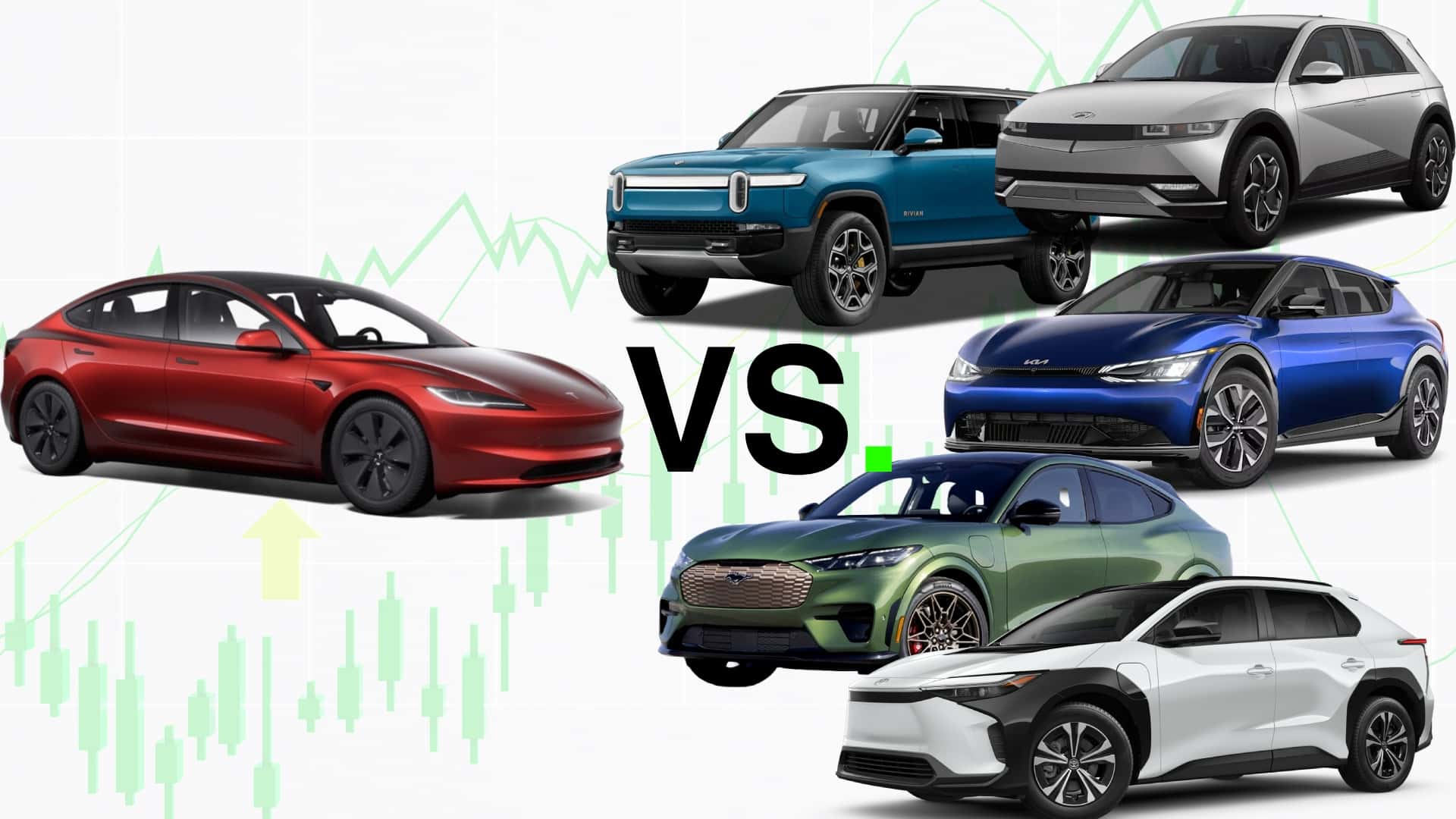
Electric vehicle price wars are redefining the global auto industry in April 2026. The latest electric vehicle price wars show how automakers are aggressively lowering costs to capture market share. This shift is not temporary. It reflects a deeper transformation in how vehicles are priced, sold, and manufactured.
Leading the charge is Tesla, which continues to adjust pricing across its lineup. Recent cuts in key markets such as the United States, China, and Europe have forced competitors to respond. As a result, electric vehicle price wars are spreading rapidly across regions.
Meanwhile, BYD has intensified competition with lower-cost models. Its vertically integrated supply chain allows it to undercut rivals while maintaining margins. Therefore, traditional automakers are facing pressure from both ends of the market.
Legacy manufacturers like Volkswagen Group and General Motors are adapting quickly. They are restructuring production and renegotiating supplier contracts. In addition, they are investing heavily in battery technology to reduce costs over time.
The electric vehicle price wars are also closely tied to battery economics. Lithium prices have stabilized compared to previous peaks. This change allows manufacturers to pass savings on to consumers. However, margins remain tight, and efficiency is now critical.
Government policies continue to shape the landscape. Incentives in regions such as the European Union and the United States encourage EV adoption. At the same time, stricter emissions regulations push automakers toward electrification. Therefore, electric vehicle price wars are partly driven by regulatory pressure.
China remains the most competitive market. Dozens of EV brands compete for dominance, leading to frequent price adjustments. This environment has turned China into a testing ground for global strategies. As a result, developments there often influence global pricing trends.
Meanwhile, new entrants are disrupting the market. Startups backed by technology firms are introducing affordable EV models. These companies focus on software integration and user experience. Consequently, competition is no longer limited to traditional automakers.
Consumers are benefiting directly. Lower prices make EVs accessible to a broader audience. In addition, improved financing options and leasing programs enhance affordability. Therefore, the electric vehicle price wars are accelerating adoption rates worldwide.
However, there are trade-offs. Rapid price cuts can affect resale values. Early adopters may see depreciation increase. Nevertheless, long-term benefits such as lower operating costs still make EVs attractive.
Infrastructure development is another key factor. Charging networks are expanding globally. Companies and governments are investing in fast-charging stations. As a result, range anxiety is gradually decreasing.
Meanwhile, software is becoming a differentiator. Automakers are integrating advanced driver assistance systems and connectivity features. These capabilities add value beyond price. Therefore, electric vehicle price wars are not only about cost but also about technology.
Supply chain resilience remains a concern. Semiconductor shortages and geopolitical tensions can disrupt production. However, manufacturers are diversifying suppliers to mitigate risks. This strategy supports more stable pricing in the long term.
For TechChora.com readers, previous coverage on EV battery innovation and charging infrastructure offers valuable context. These topics directly influence the dynamics of electric vehicle price wars.
The competitive landscape is also affecting dealership models. Direct-to-consumer sales are gaining traction. Companies like Tesla have demonstrated the efficiency of this approach. As a result, traditional dealerships are evolving.
Meanwhile, sustainability goals are driving investment. Automakers are committing to carbon neutrality. This shift aligns with consumer preferences and regulatory requirements. Therefore, electric vehicle price wars are part of a broader environmental transition.
Global expansion strategies are becoming more aggressive. Chinese automakers are entering European and emerging markets. In addition, Western brands are strengthening their presence in Asia. This cross-border competition intensifies pricing pressure.
The role of software updates is growing. Over-the-air updates allow manufacturers to improve vehicles after purchase. This capability enhances long-term value. As a result, pricing strategies now consider lifecycle benefits.
Looking ahead, consolidation may occur. Smaller players could struggle to compete in prolonged price wars. However, innovation will continue as companies seek differentiation.
In conclusion, electric vehicle price wars are reshaping the automotive industry in 2026. They are lowering barriers to entry for consumers while forcing manufacturers to innovate and optimize operations.
Readers should monitor pricing trends closely. The current environment presents opportunities for buyers and signals a new phase in the global transition to electric mobility.


