
Table of Contents
Fincra secures Ghana payments licence
Fincra, a Nigerian payments infrastructure provider, has obtained a Payment Service Provider Licence (Enhanced Category) from the Bank of Ghana, allowing it to connect directly to the country’s financial system and process local transactions.
With the approval, Fincra can collect payments in Ghana, settle transactions in cedis, and receive inbound transfers into local bank accounts and mobile wallets, according to the company.
Licence enables local collections and cedi settlements
The licence gives Fincra the ability to operate local payment rails rather than relying on partners for market access. Merchants on its platform can now accept payments through domestic channels including mobile money and bank transfers, while international businesses can send funds directly into Ghana.
The company said the model reduces friction for businesses that need to manage collections, payouts, and reconciliation within a single system.
Expansion follows Canada approval and infrastructure strategy
The Ghana approval comes two months after Fincra received a payment licence in Canada, extending its regulatory footprint across multiple regions.
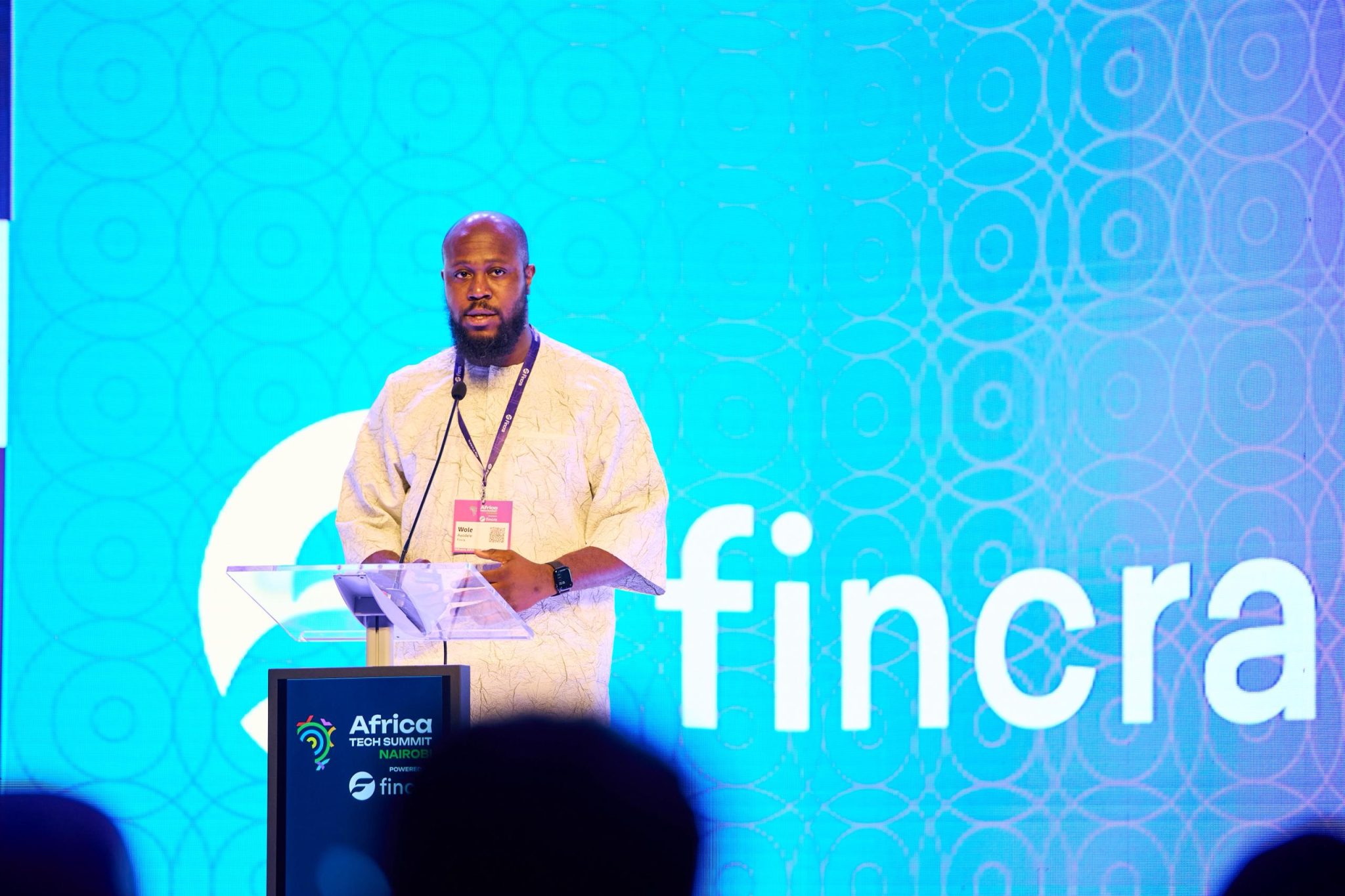
Chief executive Wole Ayodele has framed the company’s strategy around building licensed infrastructure that can support payments at scale, arguing that the next phase of African fintech will depend more on regulated rails than rapid expansion alone.
Ghana now serves as another market where that approach is being tested.
Strong mobile money adoption supports market entry
Ghana’s payments landscape is driven by high mobile money usage and growing digital transaction volumes. The market processed GH¢1.912 trillion in transactions in 2023, reflecting strong adoption across consumers and businesses.
Cross-border trade also remains active. Informal trade between Ghana and neighbouring countries reached GH¢7.4 billion in the fourth quarter of 2024, according to data from the Ghana Statistical Service.
These flows create demand for infrastructure that can handle both local collections and cross-border settlements efficiently.
API integration targets merchants and global platforms
Fincra said businesses can access its Ghana capabilities through a single API integration, allowing them to collect payments, manage local accounts, and reconcile transactions without building separate systems for each market.
The platform also supports business-to-business payments by enabling companies to create local collection accounts in cedis and automate reconciliation.
For global remittance firms and payroll providers, the system offers direct payouts into Ghanaian bank accounts and mobile wallets.
Competition intensifies among African fintechs
Fincra joins other Nigerian fintech companies that have secured similar licences in Ghana, including Flutterwave and Paystack, as competition shifts toward building localised infrastructure across African markets.
Rather than operating purely as cross-border intermediaries, companies are increasingly seeking regulatory approval in each market to improve reliability and reduce transaction costs.
Building toward interoperable African payment systems
Founded in 2021 by Wole Ayodele and Gideon Orovwiroro, Fincra operates in more than 20 markets across Africa and beyond.
Its expansion strategy is centred on creating interoperable systems that allow businesses to move money across borders without dealing with fragmented payment networks.
The Ghana licence adds another layer to that approach, as the company continues to build regulated access in key markets where digital payments are growing but infrastructure remains uneven.


